
Baby bedtime stories: what to read before age two
Reading to a baby looks like nothing much: thirty seconds of a board book, a page chewed instead of turned, a voice doing the same three lines it did last night. It is not nothing. What a baby is taking in at bedtime is rhythm, tone, and the fact that this happens every night — meaning arrives much later, and it arrives because the routine came first.
One thing to say plainly before the rest: MoonPage's library starts at age two, because that is when an illustrated story with a plot begins to work. This page covers the stretch before that — what to read, for how long, and what changes at each stage.
What works at each stage
| Age | What they get from it | What to read | How long |
|---|---|---|---|
| 0–3 months | Your voice, the rhythm of speech | Anything read slowly and quietly | 30 seconds to a minute |
| 3–6 months | High-contrast shapes, faces | Board books, one image per page | 1–2 minutes |
| 6–12 months | Holding, grabbing, turning pages | Sturdy books they can handle | 2–3 minutes |
| 12–18 months | Naming, pointing, repetition | The same book, over and over | 3–5 minutes |
| 18–24 months | Simple sequences, a small story | Short illustrated stories begin to land | 5 minutes |
The row that surprises parents is 12–18 months. Reading the same book forty nights in a row is not a phase to be broken up — the repetition is what the child is using to learn the book. Rotating in something new because you are bored is the more common mistake.
Where the shelf picks up at two
45sample titles from the app — the point where a baby's bedtime becomes a story's bedtime.
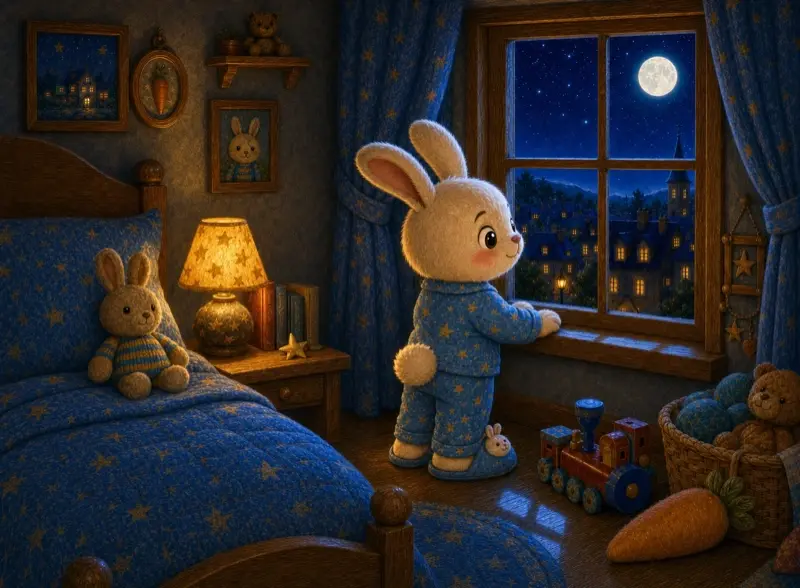
A Secret in the Night
A night too big to sleep in. One small sound in the garden. Who's out there with their light gone dim?
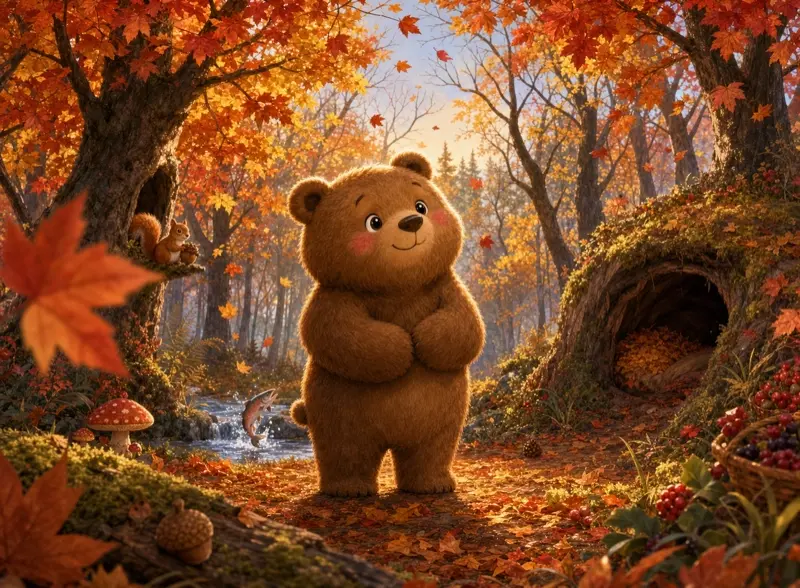
The Sleepy Bear
Leaves coming down swish-swish. One enormous yawn. Bramble has a whole winter to sleep through — but what has to happen first?
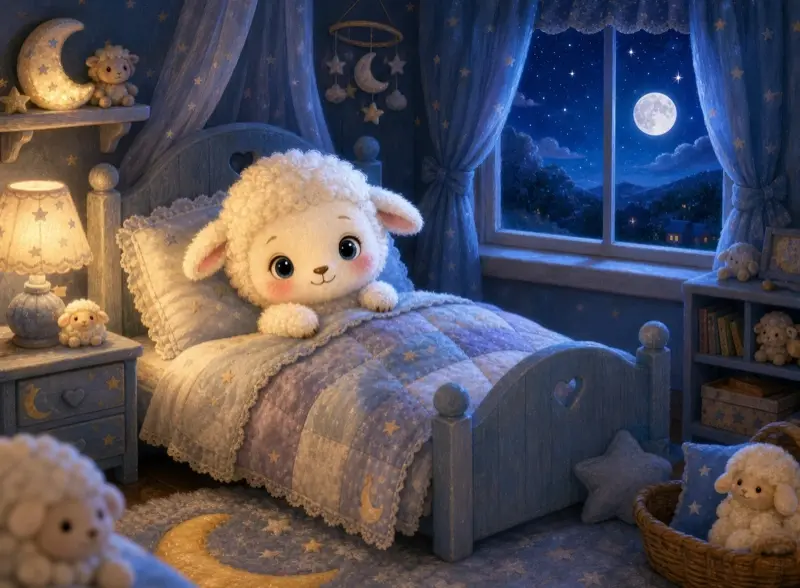
Counting Sheep
Moon up. Stars out. One little lamb wide, wide awake — how many sheep does it take?
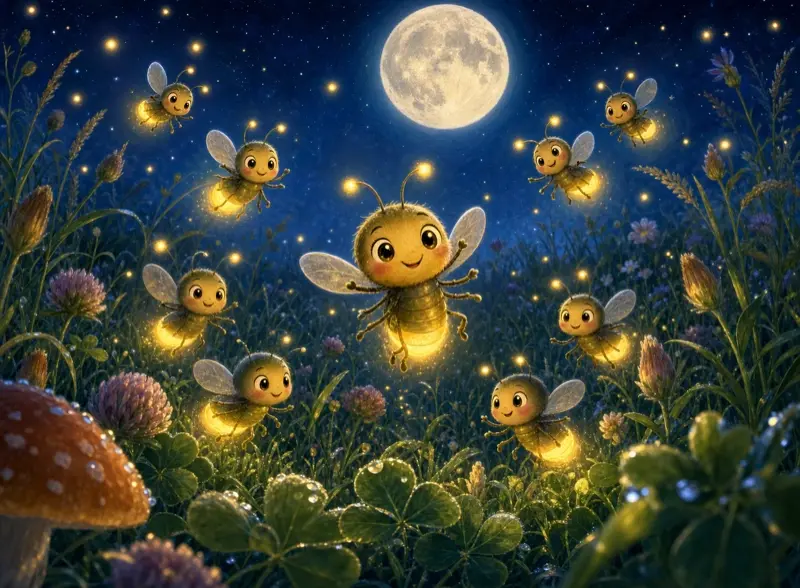
The Trapped Firefly
One firefly who flew too high. One glass jar with the lid rolled shut. Who's strong enough to roll her free?
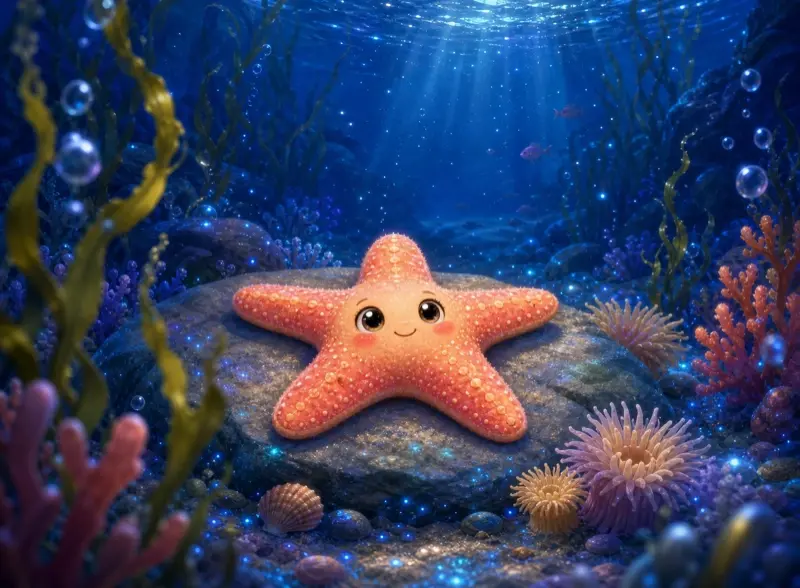
The Starry Fish
A fish who lives too deep to have ever seen a star. Everyone says the sky is out of reach. What if someone offers her a lift?

The Little Lighthouse
Thick grey fog rolling in off the water. A duckling family lost somewhere out in it. How bright can one little lighthouse shine?
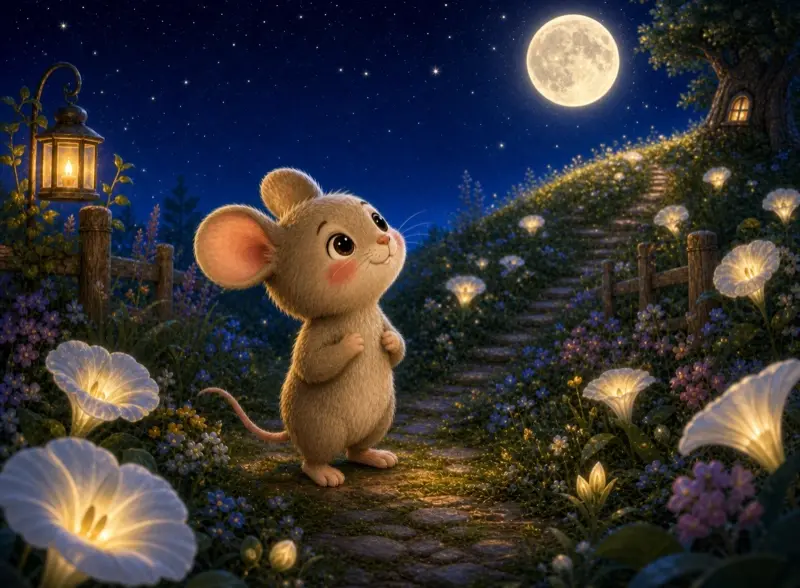
The Moon's Light
Max the little mouse wished he could keep a bit of the night's soft light. Silver moths circled, then drifted toward the moonflower hill — were they showing him the way? What glows at the top, waiting to be carried home?
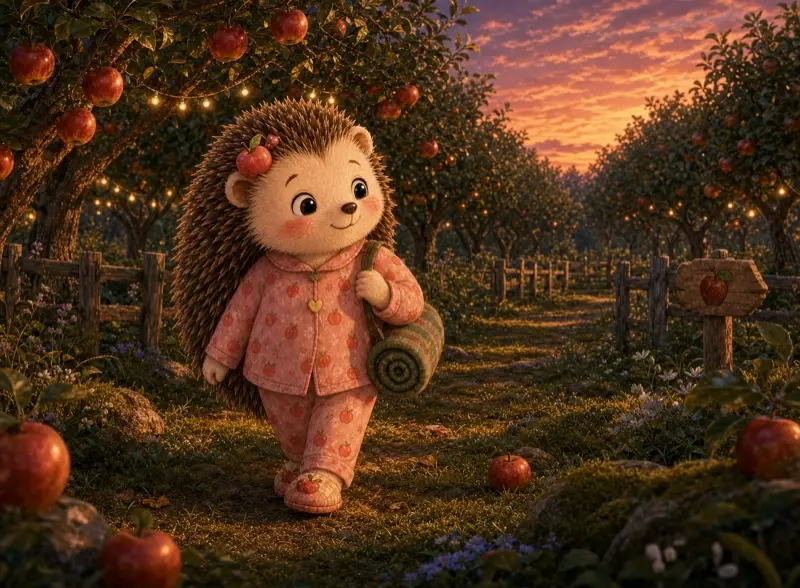
Hazel's Apple Sleepout
A sleepout under the biggest apple tree in the orchard. Then it gets dark, and Bramble misses his own little bed. What does a big sister do?
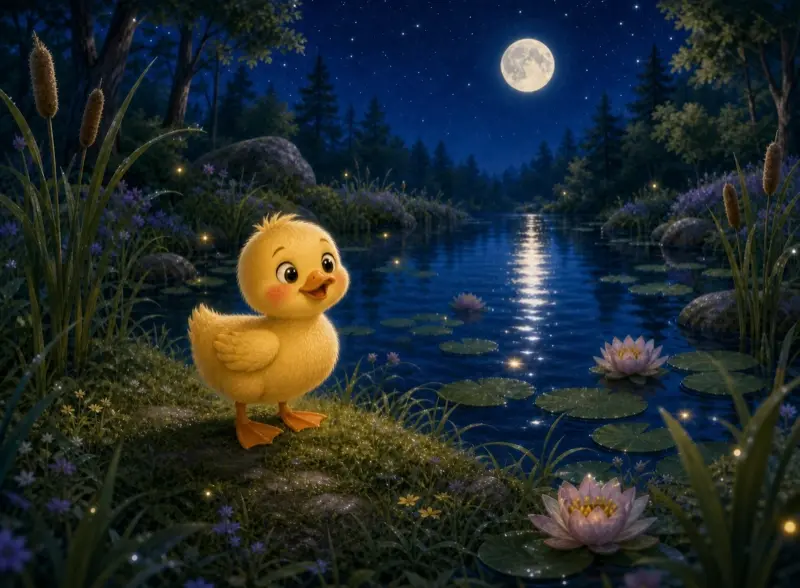
The Moon in the Pond
The moon has fallen into the pond, and Dot is going to rescue it. Except — is it really down there at all?
Building the routine before the stories
- Pick the order now, keep it forever. Bath, bottle, book, bed — the specific steps matter less than that they never change. The routine is the message; the book is just the loudest part of it. The bedtime routine chart lays the same sequence out age by age.
- Sing as much as you read. Before words carry meaning, melody does. A lullaby and a board book are doing the same job with different tools — see lullabies that work.
- Don't chase attention you don't have. A baby who turns away after one page has finished the story. Pressing on because the book has more pages is how reading becomes something to resist.
- Expect it to break at the usual points. Four-month, eight-month, and eighteen-month sleep changes will interrupt whatever you build. The routine is what you return to — see sleep regressions by age.
Related hubs & guides
Baby bedtime stories FAQ
What age is MoonPage for?+
MoonPage is built for children ages 2 and up — that is the age where an illustrated story with a plot starts doing real work. Below two, the same bedtime routine matters but the story part works differently, which is what this page covers.
When should I start reading to a baby?+
Earlier than most parents expect. There is no minimum age — a newborn gets rhythm and voice long before meaning. The practical start is whenever you want a bedtime routine, even if the "story" is one board book held open for thirty seconds.
How long should a baby's bedtime story be?+
Under a minute at first. The story is the signal that the day is ending, not the entertainment — a baby who is done after one page has still had the routine. Length grows on its own once they start pointing at pictures.
Do board books matter, or can I read from a screen?+
For this age, physical books are doing something a screen can't: they get grabbed, chewed, and turned by the baby, which is the beginning of handling a book. Keep board books for the hands-on part and use an app later, once the child is following a story rather than a texture.
Ready when they turn two
Download is free and some stories are free to read now. MoonPage's illustrated library starts at age 2 — with narration, and the option to record your own voice.